Exploring the realm of Trulicity Side Effects Compared to Other Diabetes Medications, this introduction aims to captivate readers with a unique perspective on the topic. From common side effects to rare occurrences, this narrative delves into the nuances of diabetes medication effects.
As we navigate through the various aspects of Trulicity and its comparison with other treatments, we uncover valuable insights that shed light on the impact of these medications on individuals.
Trulicity Side Effects Overview
Trulicity is a popular medication used to treat type 2 diabetes. Like all medications, Trulicity comes with its own set of potential side effects. It is essential to be aware of these side effects to monitor any changes in your health while taking this medication.
Common Side Effects of Trulicity
- Nausea
- Diarrhea
- Headache
- Decreased appetite
- Abdominal pain
Comparison with Other Diabetes Medications
When compared to other commonly prescribed diabetes medications, Trulicity may have a different set of side effects. For example, while Metformin, another popular diabetes medication, is known to cause gastrointestinal issues, Trulicity may have fewer gastrointestinal side effects but more headaches and decreased appetite.
Rare or Severe Side Effects of Trulicity
- Severe stomach pain
- Serious allergic reactions
- Pancreatitis
- Kidney problems
Gastrointestinal Side Effects
When it comes to Trulicity and gastrointestinal side effects, it's important to understand what to expect, how they compare to other diabetes medications, and how to manage them effectively.
Common Gastrointestinal Side Effects with Trulicity
- Nausea
- Vomiting
- Diarrhea
- Constipation
- Abdominal pain
Comparison of Frequency and Severity with Other Diabetes Medications
Trulicity is known to have a lower incidence of gastrointestinal side effects compared to some other diabetes medications. However, individual experiences may vary, and it's essential to consult with your healthcare provider for personalized advice.
Strategies to Manage or Alleviate Gastrointestinal Side Effects of Trulicity
- Start with a lower dose and gradually increase as tolerated.
- Take Trulicity with food to help reduce the likelihood of nausea.
- Stay hydrated and maintain a healthy diet rich in fiber to help with digestive issues.
- If side effects persist or worsen, consult your healthcare provider for further guidance.
Injection Site Reactions
When it comes to Trulicity, injection site reactions are a potential side effect that patients may experience. These reactions can include redness, swelling, itching, or pain at the site where the medication is injected.
Contrast with Other Diabetes Medications
- Trulicity injection site reactions are generally mild and temporary compared to some other diabetes medications.
- Alternative medications like insulin injections or other GLP-1 receptor agonists may have a higher incidence of injection site reactions.
- The intensity of injection site reactions with Trulicity is usually lower than with other medications, making it a more tolerable option for some patients.
Tips for Minimizing Discomfort
- Rotate injection sites to prevent irritation or bruising in one area.
- Ensure proper injection technique by following the instructions provided by your healthcare provider.
- Apply a cold pack to the injection site before and/or after injecting to help numb the area and reduce discomfort.
- Keep the injection site clean and dry to prevent infection and further irritation.
Hypoglycemia Risks
When it comes to diabetes management, understanding the risk of hypoglycemia is crucial. Let's delve into how Trulicity compares to other diabetes medications in terms of hypoglycemia risk and explore ways to manage and prevent it during treatment.
Hypoglycemia Risk with Trulicity
Trulicity, like many other diabetes medications, can potentially lead to hypoglycemia, especially when combined with other glucose-lowering agents. However, the risk of hypoglycemia with Trulicity alone is relatively low compared to some other medications.
- Trulicity works by stimulating insulin release in response to elevated blood sugar levels, which helps lower blood glucose without significantly increasing the risk of hypoglycemia.
- It is important to monitor your blood sugar levels regularly while on Trulicity to detect any signs of hypoglycemia early on.
- Factors such as diet, exercise, and other medications being taken concurrently can also influence the likelihood of experiencing hypoglycemia while on Trulicity.
Managing and Preventing Hypoglycemia
Here are some tips to help manage and prevent hypoglycemia while undergoing treatment with Trulicity:
- Regularly monitor your blood sugar levels, especially before and after meals, as well as before bedtime.
- Be aware of the signs and symptoms of hypoglycemia, such as sweating, dizziness, confusion, and rapid heartbeat.
- If you experience hypoglycemia, immediately consume a fast-acting carbohydrate like glucose tablets, juice, or candy to raise your blood sugar levels.
- Inform your healthcare provider about any episodes of hypoglycemia so that adjustments can be made to your treatment plan if necessary.
- Engage in regular physical activity and maintain a healthy diet to help stabilize blood sugar levels and reduce the risk of hypoglycemia.
Epilogue
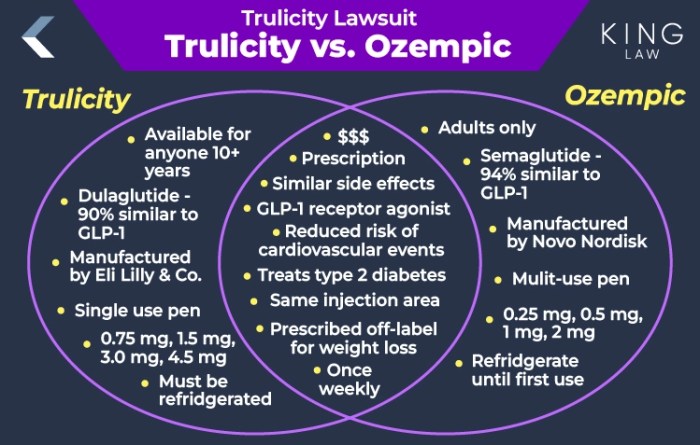
In conclusion, the discussion surrounding Trulicity Side Effects Compared to Other Diabetes Medications offers a comprehensive view of the landscape. By understanding the differences in side effects and risks, individuals can make informed decisions regarding their diabetes treatment.
Quick FAQs
Are there any severe side effects associated with Trulicity?
While rare, severe side effects of Trulicity can include pancreatitis or allergic reactions. It's important to consult with a healthcare provider if any concerning symptoms arise.
How do gastrointestinal side effects of Trulicity compare to other diabetes medications?
Trulicity may cause gastrointestinal side effects like nausea or diarrhea, but their frequency and severity can vary compared to other diabetes medications. Consult a healthcare provider for personalized advice.
Is hypoglycemia a common risk with Trulicity usage?
While hypoglycemia can occur with Trulicity, the risk may vary from person to person. Monitoring blood sugar levels and following a healthcare provider's recommendations can help manage this risk effectively.